Summary
A full house rewire typically takes about 5 to 10 days of electrical work, but published ranges run from a few days to two weeks depending on the size and access of the house.
Contents
How long does a house rewire take? For a typical house, Checkatrade says the electrical work usually takes 5 to 10 days before any decorating, while NICEIC says anything from a few days to a week or two. Smaller homes can be quicker, and large or complex ones take longer.
This guide covers timescales by house size, what happens at each stage, what slows a rewire down and whether you can stay at home. If you are still deciding whether you need one, see our house rewiring in North London page.
Checkatrade says a full house rewire typically takes 4 to 10 days depending on the size of the home, with 5 to 10 days as its general guide, not including finishing decoration. Its separate rewiring guide gives 2 to 10 days, and NICEIC says anything from a few days to a week or two, so published figures vary.
The work covers removing old wiring, installing new circuits and lighting, and fitting sockets and switches. Ask for a written programme for your own house rather than relying on an average.
The bigger and more complex the house, the longer it takes. Checkatrade gives these guide figures:
Large period properties can take longer. Electrical Testing London, a London contractor, gives 10 to 15 days or more for a large period property. Your electrician can give a firmer estimate after a survey.
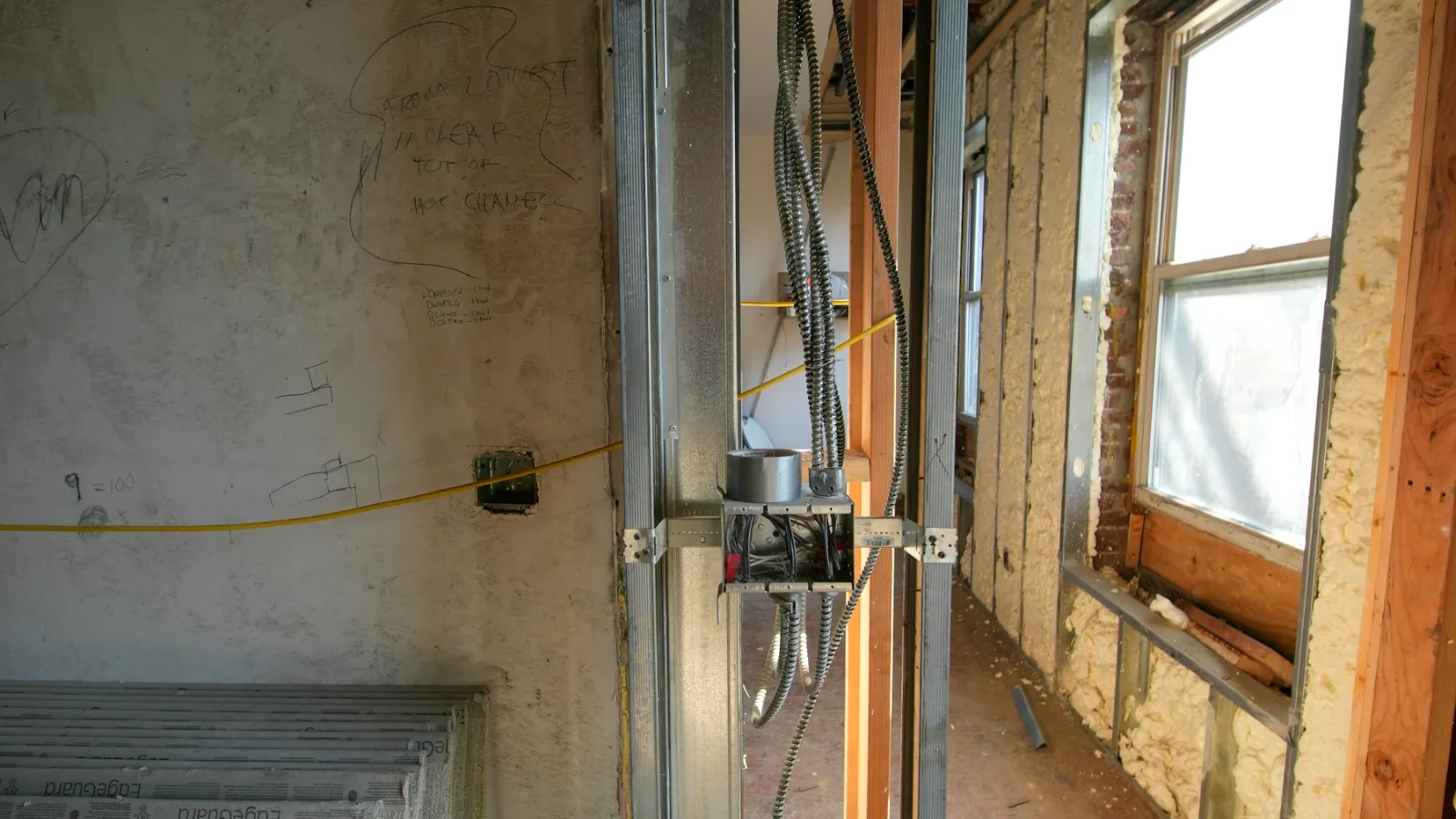
A rewire usually runs in two stages with plastering in between. First fix is the messy stage: floorboards come up, walls are chased and new cables are run to every socket, switch and light. After the walls are made good, second fix fits the sockets, switches, light fittings and consumer unit, and each circuit is tested.
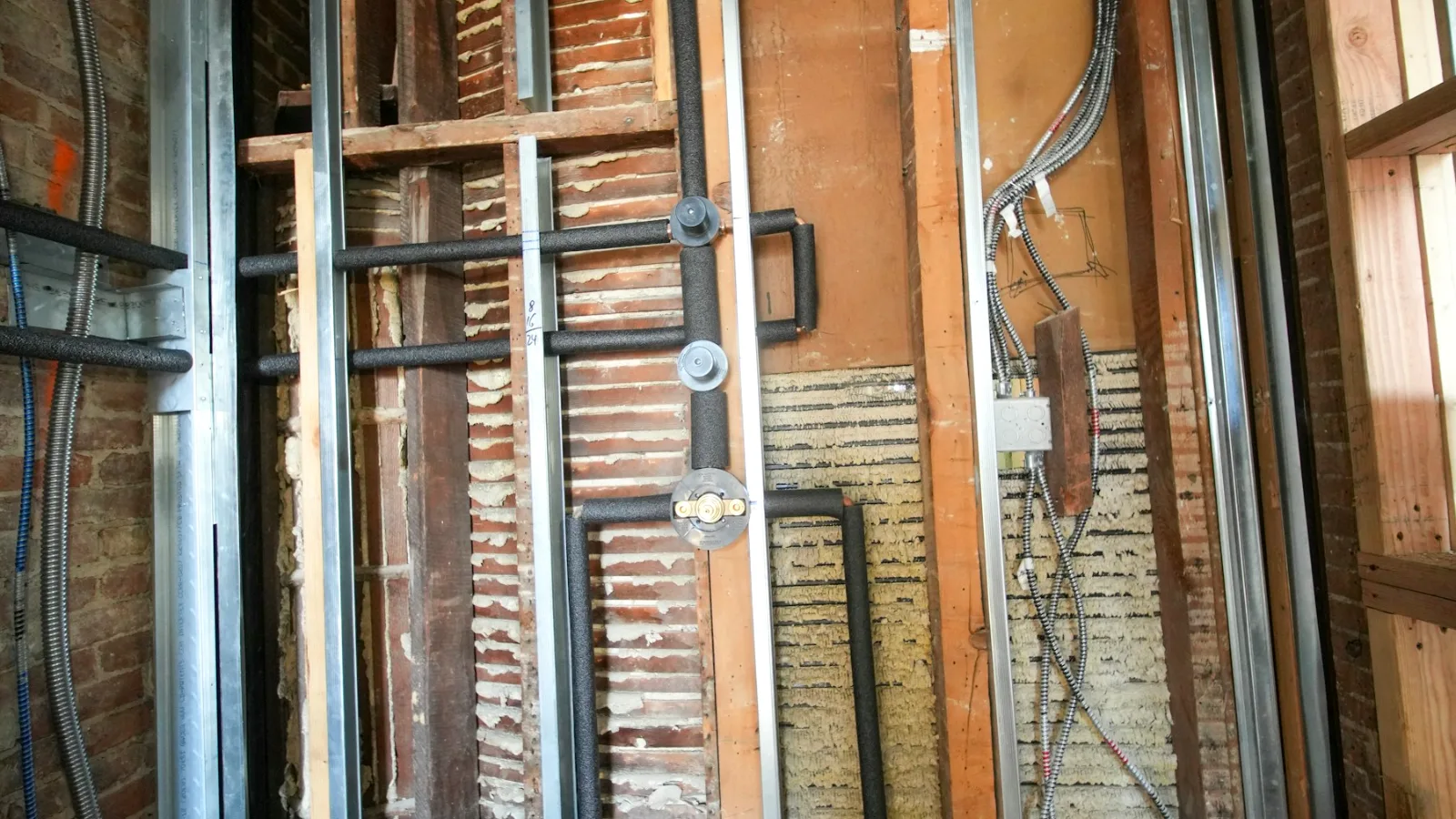
Plastering of chased walls is a separate job, so line it up early. Electrical Testing London says forgetting to book the plasterer in advance is the most common cause of a rewire running longer than quoted.
When the work is finished you should receive an electrical certificate. Checkatrade says a full or partial rewire is notifiable work under Part P of the Building Regulations, and that work not certified to the required standard could affect your home insurance. If a new consumer unit is part of the job, our consumer unit replacement page explains what that involves.
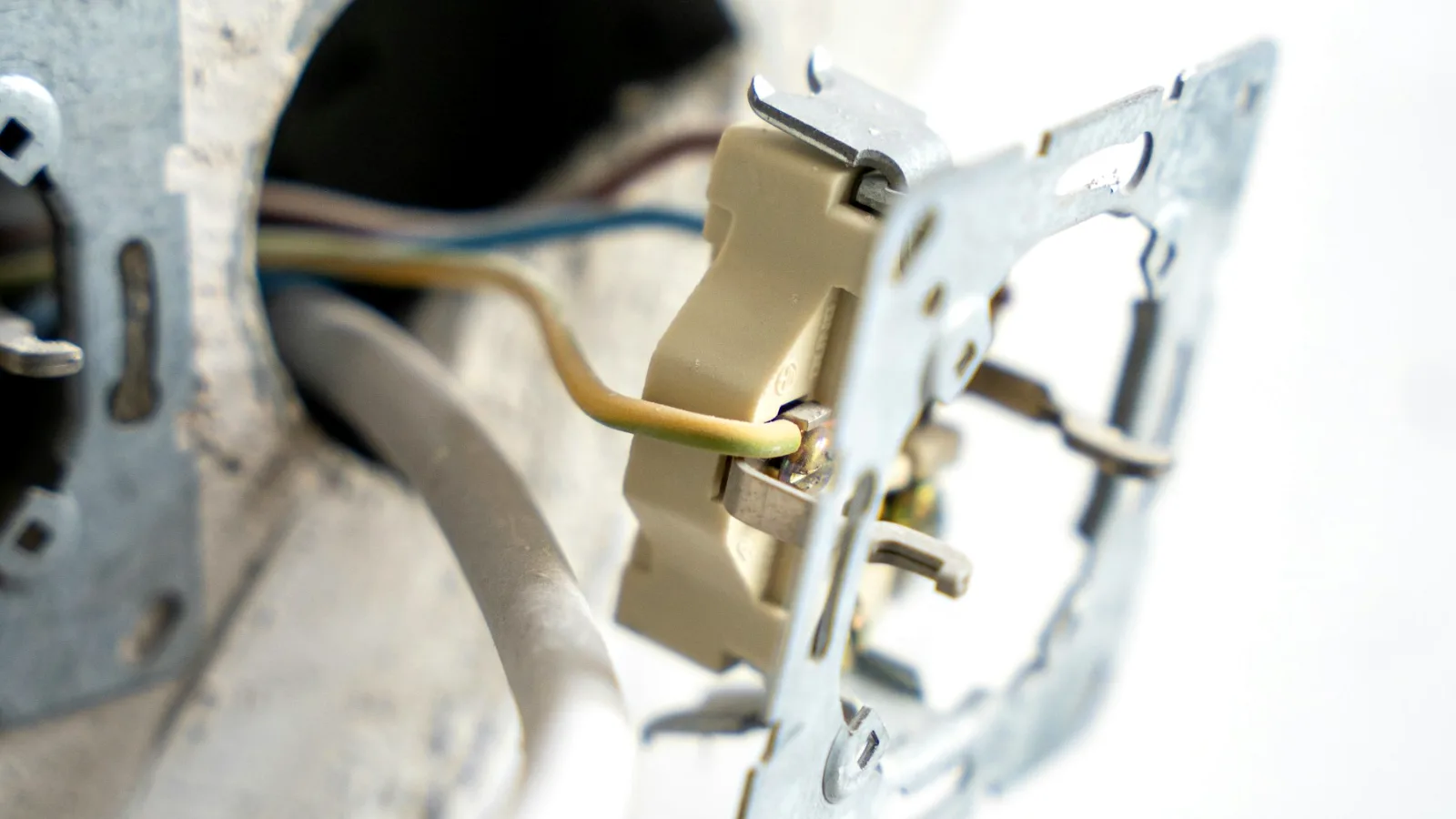
Several things can stretch a rewire beyond the average:
For the full sequence of a rewire, see our house rewire cost, process and checklist guide.
Often yes, but it is more disruptive and can slow the job. NICEIC says you can live in the house during a rewire, but it may be a more difficult and costly project because the electrician has to work around you and turn the power off to parts of the house for extended periods.
Checkatrade suggests asking whether the electrician can work room by room, which takes a little longer but keeps part of your home usable. Expect dust, noise and temporary loss of power to individual circuits. Checkatrade also says an empty house is generally quicker and cheaper to rewire, so the gap between buying and moving in is the easiest time.
Our cost, process and checklist guide also answers the "will I have to move out?" question in its FAQs.
Start with a survey, so you get timings for your own property rather than an average. NICEIC suggests making your consumer unit, sockets and switches easy to reach by moving furniture away from walls, covering belongings and emptying cupboards, and deciding where you want extra sockets and lights.

RE Electrical is a NICEIC-certified contractor covering Islington, Camden, Finchley, Tottenham and the rest of North London. Use our electrical rewiring service page or contact page, or call 0800 774 7951.
This guide is general information and does not replace a survey by a qualified electrician.
No, not realistically for a full rewire. Some tradespeople in public forums claim 1 to 2 days, but published guides give several days even for a two-bedroom house, such as Checkatrade's 4 to 5 days.
Checkatrade says around 6 to 10 days for a three-bedroom house with two bathrooms, excluding decorating.
Often yes, but it can make the job slower and costlier. NICEIC says the electrician has to work around you and turn power off to parts of the house, so ask how the work will be staged, ideally room by room.
It is dusty and disruptive. Checkatrade says walls and ceilings are cut into and floorboards are lifted, although an experienced electrician can keep disruption down by fishing cables through existing cavities where possible.
No. Checkatrade's figures exclude finishing decoration. Plaster repairs and decorating are usually extra.
Make the consumer unit, sockets and switches easy to reach: move furniture away from walls, cover belongings against dust, empty cupboards and remove wall decorations, as NICEIC advises. Decide where you want any extra sockets and lights before work starts.

House Rewire North London: Cost, Process & Certification Checklist Planning a house rewire in North London can feel daunting. Will...
North London Property Rewiring: Full & Partial Rewire Checklist for Homes & Offices North London property rewiring projects should start...

Why Your Fuse Box Keeps Tripping: North London Electrician Troubleshooting Guide If your fuse box keeps tripping in North London,...