Summary
Age alone does not decide whether an older house needs rewiring. The condition of the wiring does, and an Electrical Installation Condition Report (EICR) is how you find out.
Contents
Does an older house need rewiring? Not automatically. A house's age is a reason to check its wiring, not proof that it must be replaced. What decides it is the condition of the cables, fuse board and accessories, which a registered electrician can test and report on.
This guide explains what age does and does not tell you, which old wiring features matter, and how an inspection decides between leaving things alone, repairs, a partial rewire and house rewiring in North London.
No, not on age alone. Electrical Safety First says all electrical installations deteriorate with age and use, which is why they should be inspected and tested at regular intervals.
Sources do give a guide. NICEIC says a property over 30 years old that still has its original wiring will likely need updating, and Checkatrade says homes typically need a full rewire every 25 to 30 years. Treat those figures as reasons to book an inspection, not deadlines.
In North London, Victorian and Edwardian terraces and post-war flats may have been altered or partly rewired over the years, so one property can contain wiring of several ages. Only testing shows which is which.
The clearest signs are the type of cable and the age of the fuse board. Electrical Safety First says black rubber-coated cables were phased out in the 1960s, and that cables coated in lead or fabric are older still and may well need replacing. Modern cables use longer-lasting PVC insulation.
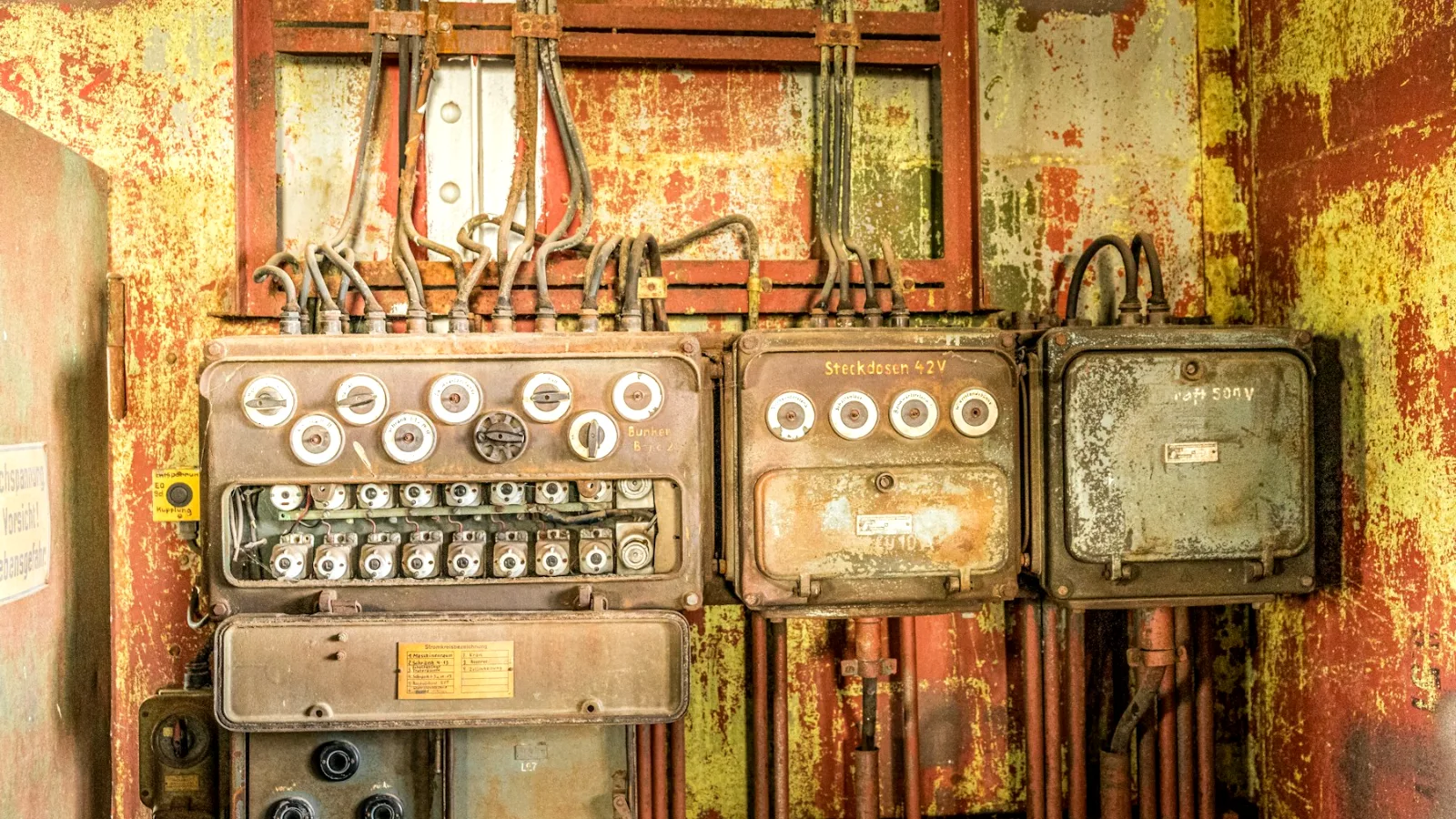
Electrical Safety First also lists items that may need replacing when an installation is inspected:
You can often notice these by looking. Do not remove covers, open the fuse box or pull sockets from the wall to check. Leave anything behind the surface to an electrician. If your fuse board is one of the old types, our consumer unit replacement page explains the upgrade.
Signs that the wiring is struggling matter more than any date. NICEIC and Checkatrade both list these as reasons to call an electrician, whatever the age of the house:
If you smell burning or see sparks, stop using the circuit and call an electrician straight away. If there is smoke or fire, leave the building and call 999. For repeated tripping or other faults, our electrical fault finding team can trace the cause.
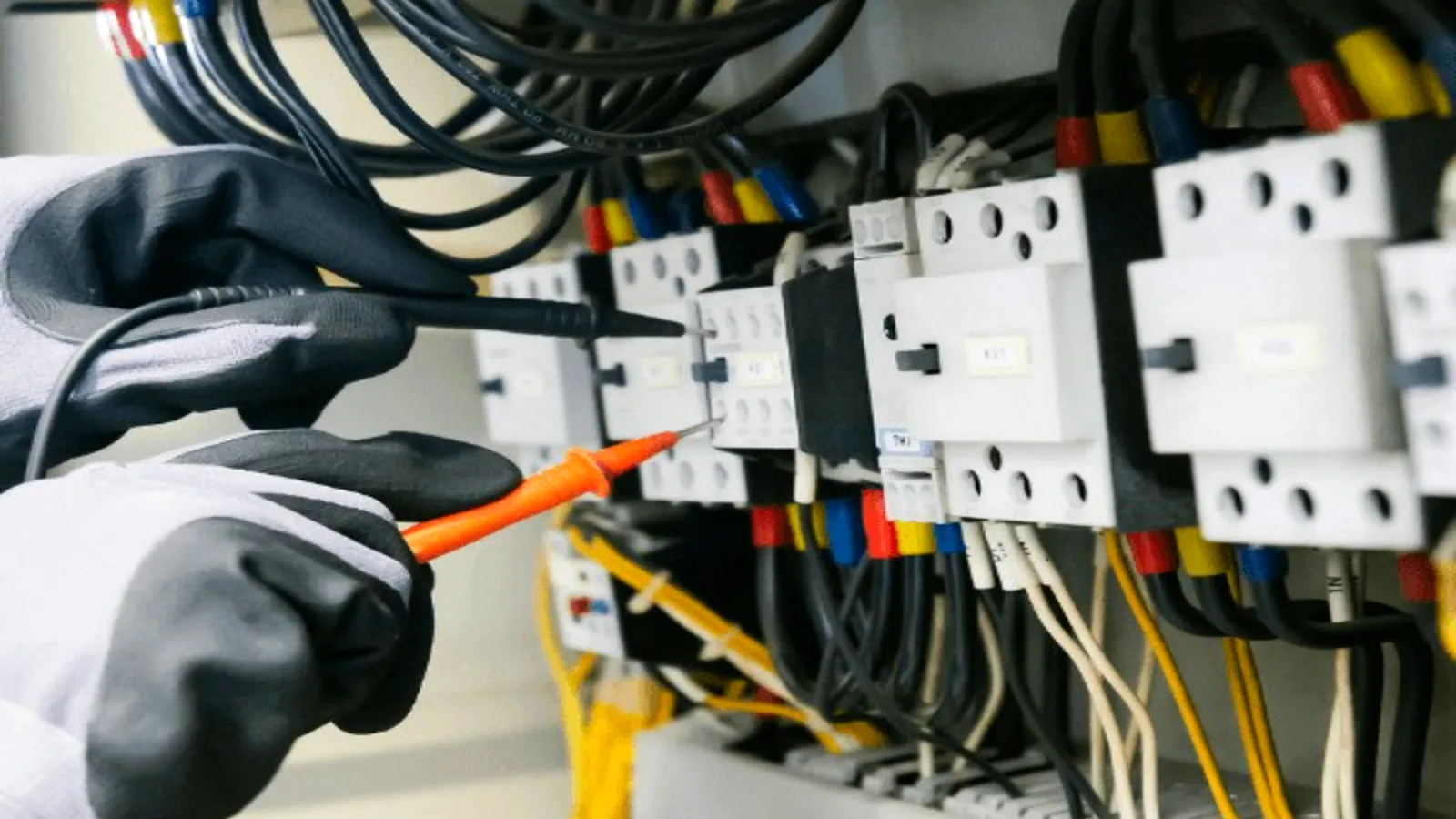
An EICR is the check that decides. A registered electrician inspects and tests the installation against BS 7671, the UK wiring standard, and reports any damage, deterioration, defects or dangerous conditions. NICEIC compares it to an MOT for your home's wiring.
Electrical Safety First recommends an inspection every 10 years for an owner-occupied home and every 5 years for a rented home. It also recommends one before you sell a property or buy one that has been lived in. In England, GOV.UK says landlords must have the electrics in rented homes checked at least every 5 years by a properly qualified person.
If the report finds something dangerous, the installation is declared unsatisfactory and Electrical Safety First says remedial action is needed without delay. NICEIC says the report shows whether the whole house needs a rewire or only specific circuits need attention. Our EICR testing page explains what the inspection involves.
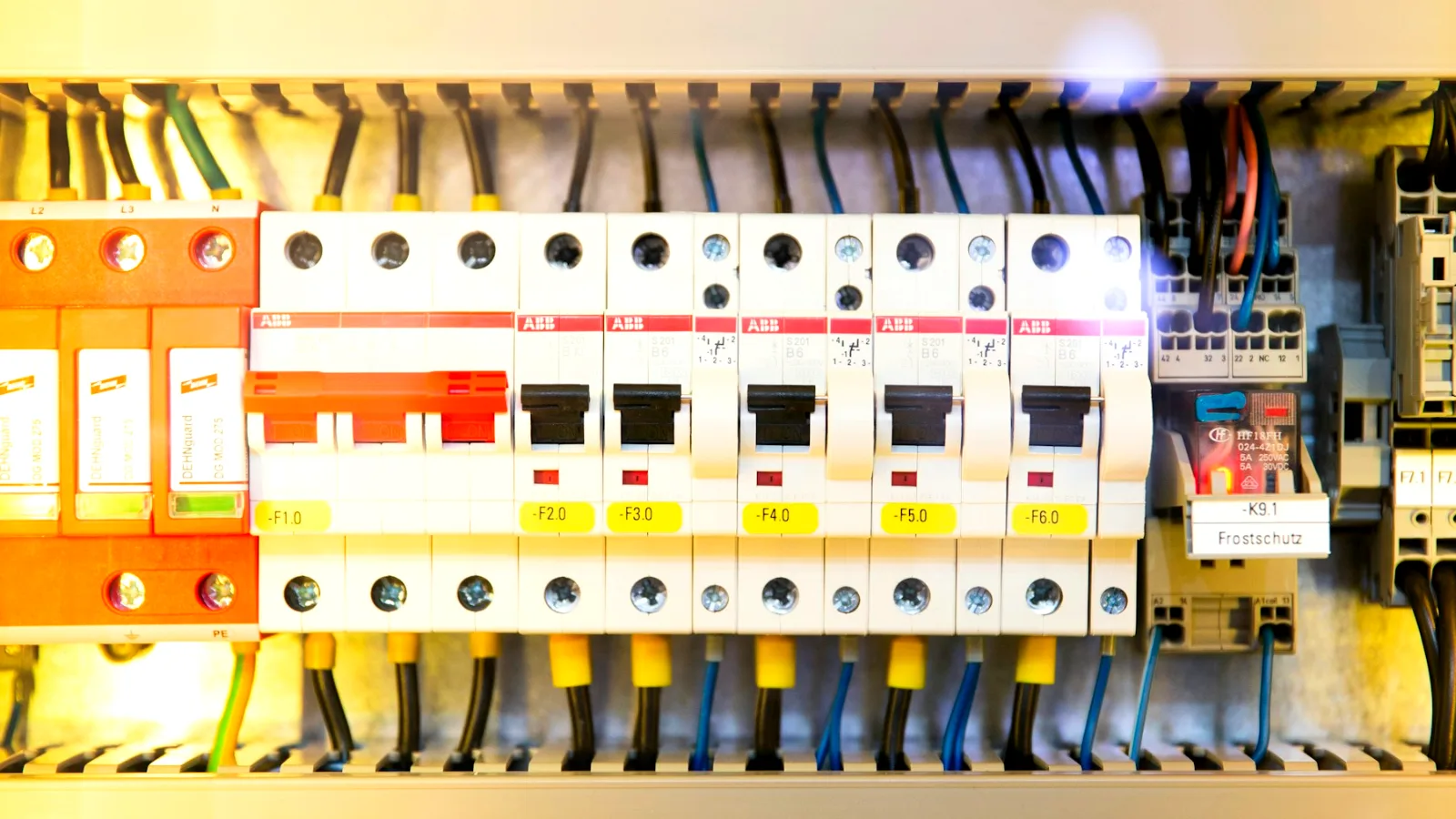
The report decides, not the age of the house. If faults are limited, targeted repairs or a new consumer unit may be enough. If the problems are spread through the house, a partial or full rewire may be the safer route.
Checkatrade says a partial rewire only really works where the existing installation is well laid out and clearly documented. In older homes where nobody is sure what connects to what, it can end up more complicated and costly than starting fresh.
NICEIC says a home rewire counts as notifiable work under Part P of the Building Regulations in England and Wales, so use an electrician registered on a competent person scheme and keep the certificates. Our house rewire cost, process and checklist guide explains each step. Costs depend on the size and condition of the property, so we do not quote figures in guides.
Book an inspection if your home still has original wiring, an old-style fuse box or any of the warning signs above, or if you are about to buy, sell or let a property.
RE Electrical is a NICEIC-certified contractor covering Islington, Camden, Finchley, Tottenham and the rest of North London. If the report points to a rewire, see our electrical rewiring service, then use our contact page or call 0800 774 7951 to arrange an assessment.
This guide is general information and does not replace an inspection by a qualified electrician.
There is no fixed age, and the condition of the wiring decides. NICEIC says a property over 30 years old with original wiring will likely need updating, and Checkatrade says homes typically need a full rewire every 25 to 30 years. An EICR is how it is assessed.
Not usually on age alone. Checkatrade puts a typical rewire at 25 to 30 years and NICEIC at over 30 years for original wiring, so a 20-year-old house is more likely to need an inspection than a rewire. Warning signs or an unsatisfactory EICR matter more than the build date.
Not automatically. If it still has original rubber, lead or fabric-coated cables or an old fuse box, those parts may well need replacing. If the house has been partly rewired since, the picture is different. An inspection will tell you which applies.
Sometimes. Checkatrade says a partial rewire or upgrading one section may be possible if the rest of the installation is well laid out and documented. Your electrician can advise after an EICR.
Electrical Safety First recommends every 10 years for an owner-occupied home and every 5 years for a rented home. In England, landlords must have rented homes checked at least every 5 years.
Electrical Safety First says that if anything dangerous or potentially dangerous is found, remedial action is needed without delay. Your electrician can explain what is required and quote for the work.

Landlord EICR in North London: How to Meet BS 7671 and the 5-Year Electrical Safety Standard If you are a...

Safe and Trusted Electrical Rewires and Consumer Unit Replacement in North London: What Homes and Businesses Need to Know If...